
Session Locations · Sudbury, MA
Assabet River Family Photographer
Two thousand acres of woods that used to be an Army ammunition depot — and the flattest walking on my whole list.
Assabet River National Wildlife Refuge is fifteen miles of trail across four towns, and most of what you walk on is level packed gravel. That combination is rare: real woods, deep leaf fall, tall pines and open wetland, reached without a hill or a root anywhere. It is the location I suggest first when someone is carrying a baby, pushing a stroller, or bringing a grandparent who cannot manage a field. Since January 2025 a normal session here needs no permit at all.
Assabet River at a glance
Everything you need before booking a session here.
- Where we meet
- 680 Hudson RoadMain Gate and visitor center · Sudbury, MA 01776
- From the studio
- About 25 minutesTwo other gates: White Pond Road in Stow, Old Marlborough Road in Maynard
- Permit
- Not since 2025The EXPLORE Act waived it for groups of eight or fewer — see below
- Group limit
- Eight peopleAbove eight, a Special Use Permit applies again
- Admission
- Free2,230 acres · 15 miles of trails · no entrance fee published
- Hours
- Sunrise to sunsetYear round · visitor center weekends, 10am–4pm
- Dogs
- Not allowedProhibited to protect wildlife · service animals excepted
- Best light
- Final 90 minutesLate October, when the oak leaf is down and deep
Why this location
Real woods, without the hill.
Most woodland looks better than it walks. This one does both, because the Army built roads through it — wide, level, packed gravel, laid down to move ammunition and now the easiest ground on my list. You get pine canopy, deep leaf fall and open wetland without ever leaving a surface a stroller can handle. We pick the route during your Design Consultation, around your group and around the light.
The Gravel Ways
Winterberry Way, Taylor Way, Harry’s Way, Patrol Road, White Pond Road. Level, wide, packed gravel under a canopy that closes overhead in places. The reason this refuge works for a stroller, a walker or a grandparent, and a beautiful receding line to stand a family on.
The Leaf Floor
Oak and maple litter under tall white pine, and in a good year it lies deep enough for a baby to sit down in and disappear to the waist. The warmest ground here, and the one that makes a session look like a memory rather than a portrait.
The Old Fields
Open ground left over from the farms that were here before the Army — tawny grass, bare trunks and a lot of sky. Where the light is at its best in the last half hour, and where a family reads small against something large.
The Water & Wetland
Four hundred and seventy-six acres of the refuge is wetland, and Puffer Pond sits at the middle of it. Still water, reeds and dead standing timber — the most different-looking ground on the property, and where the wildlife actually is.
The work
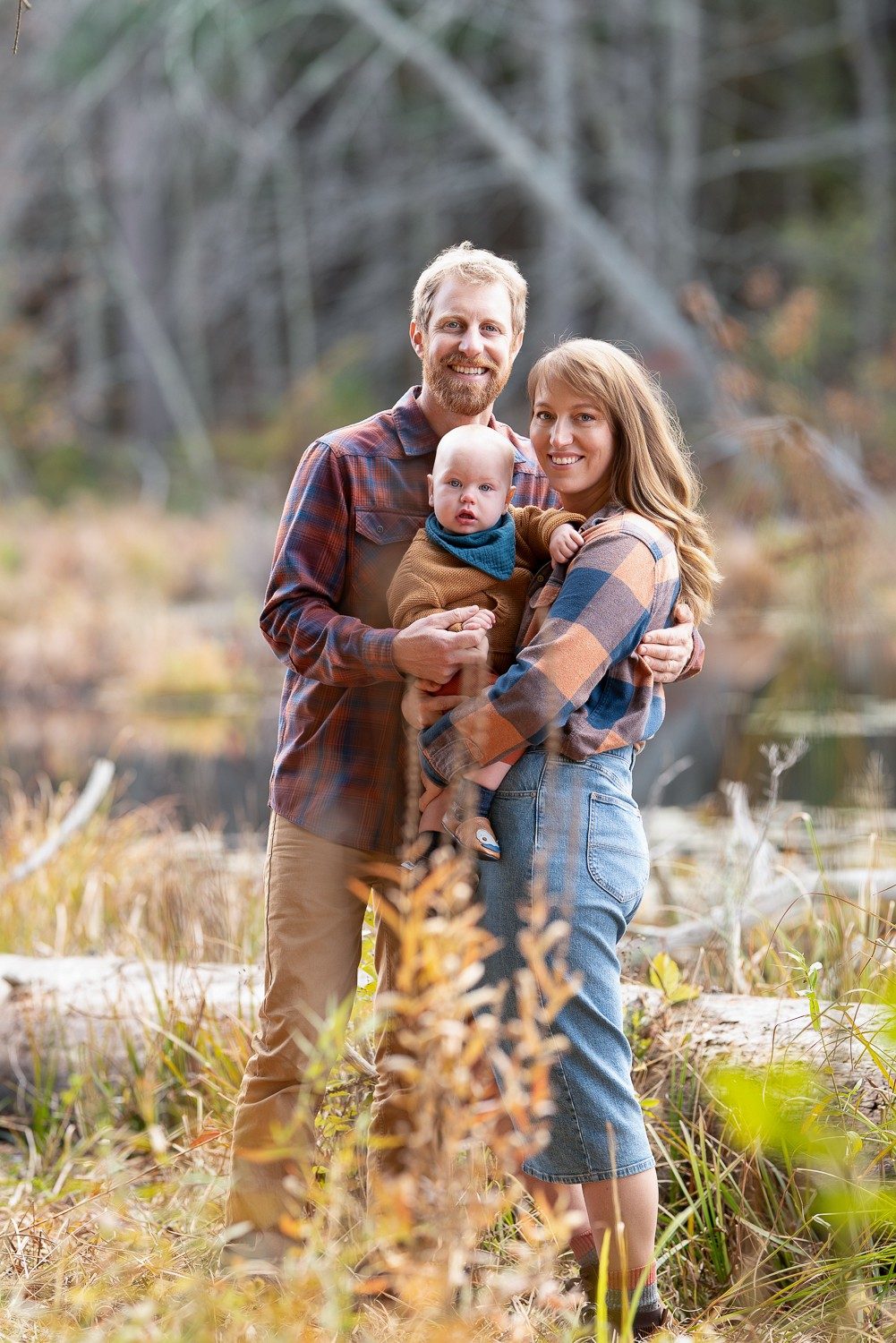
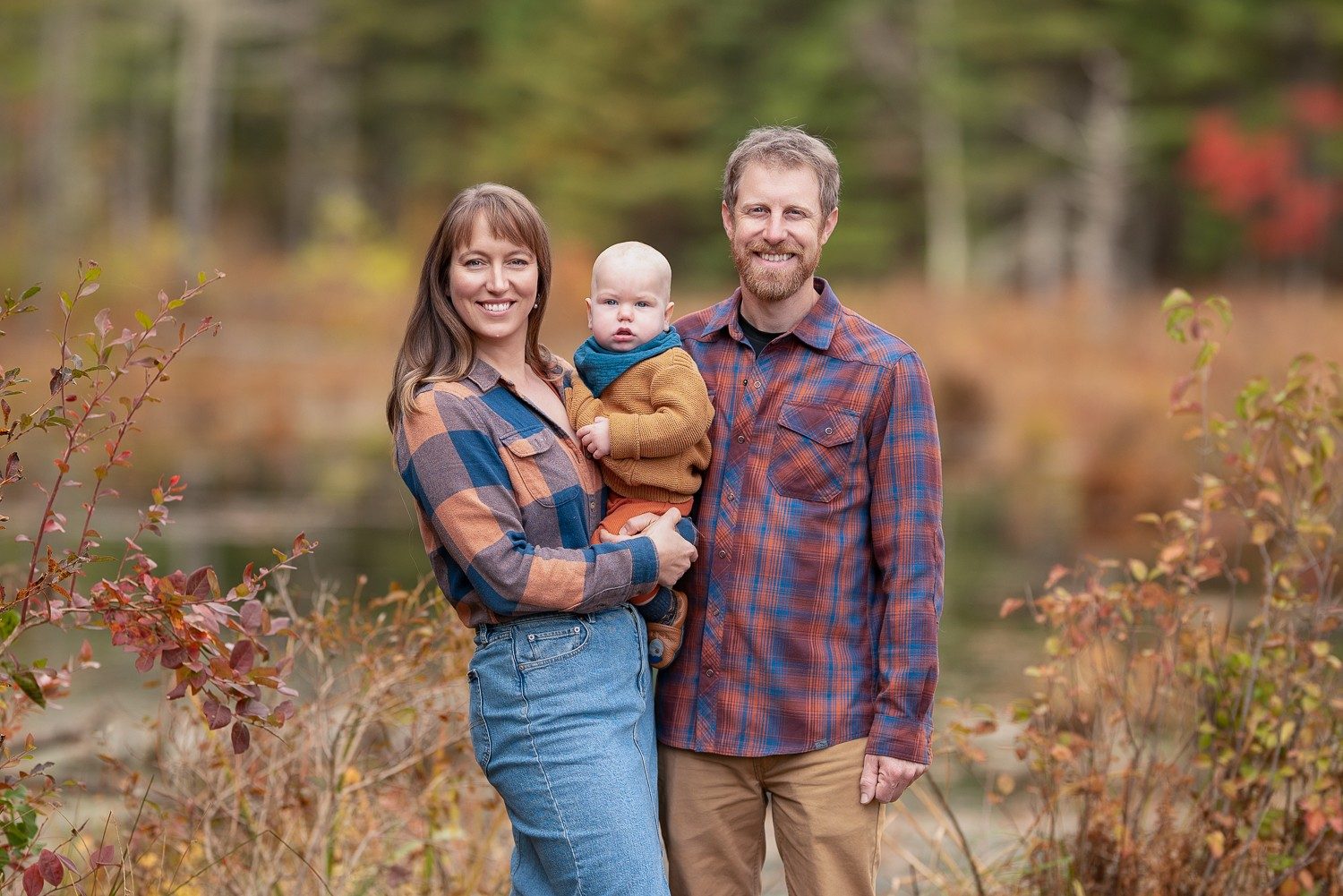
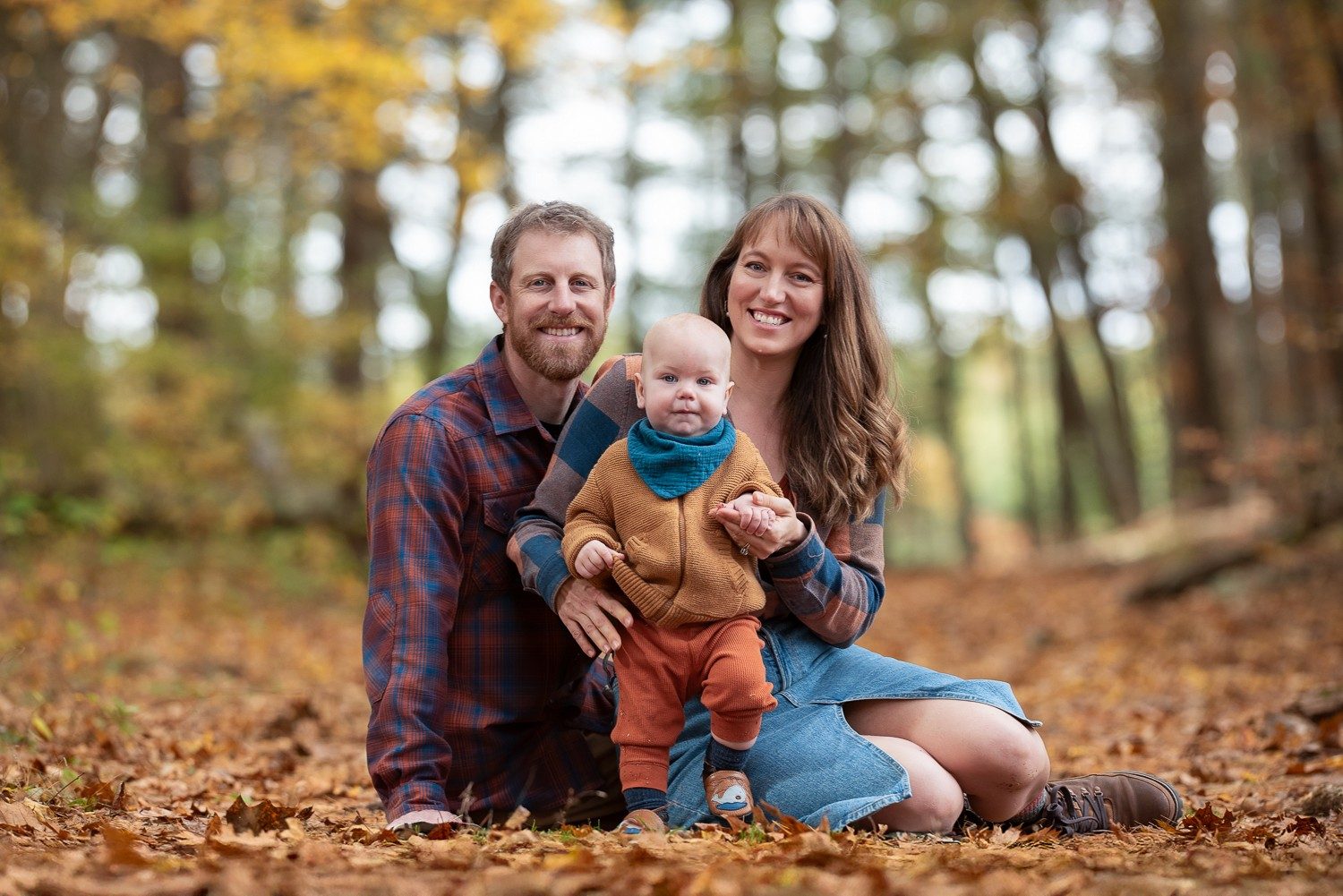
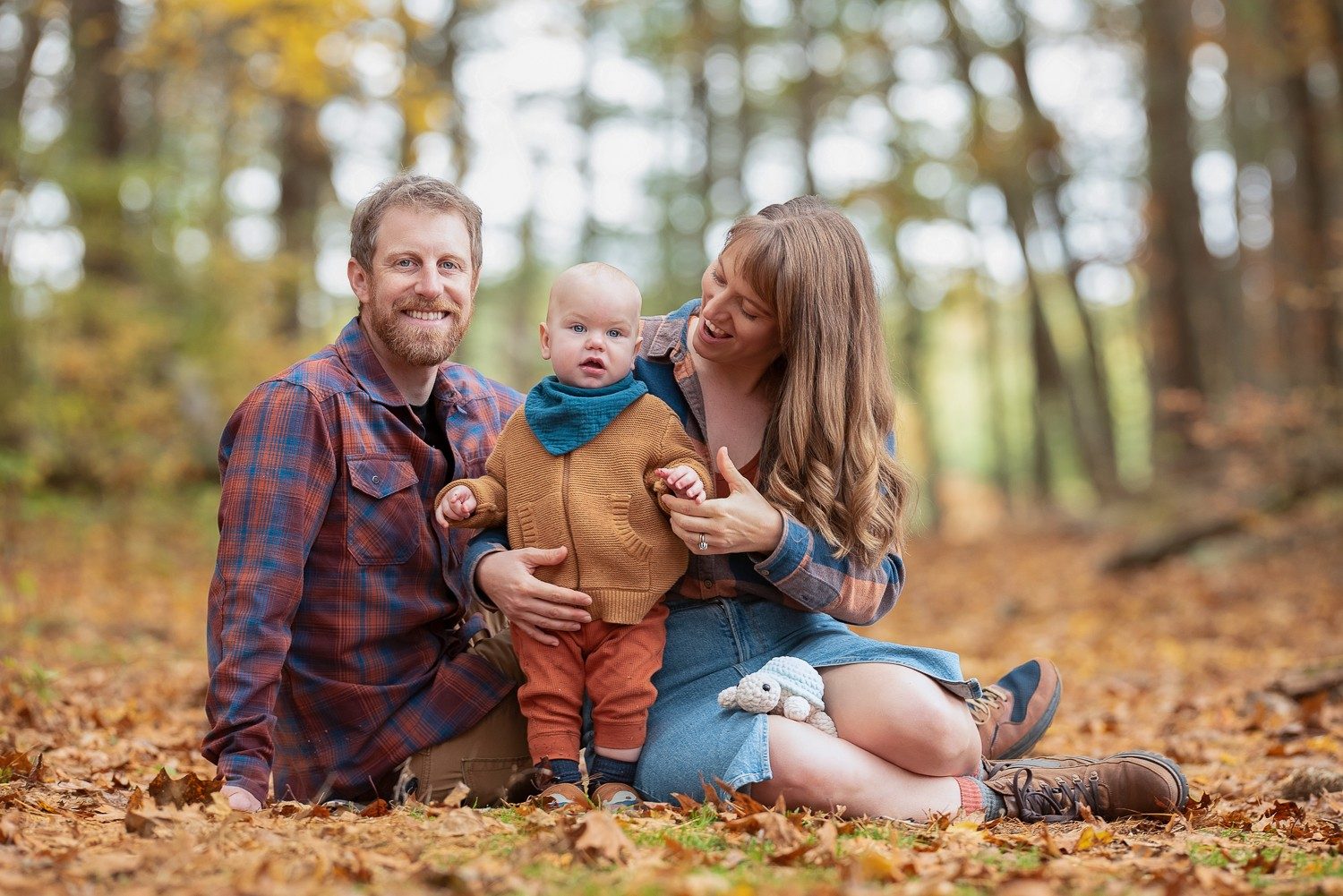
One family, one October afternoon.
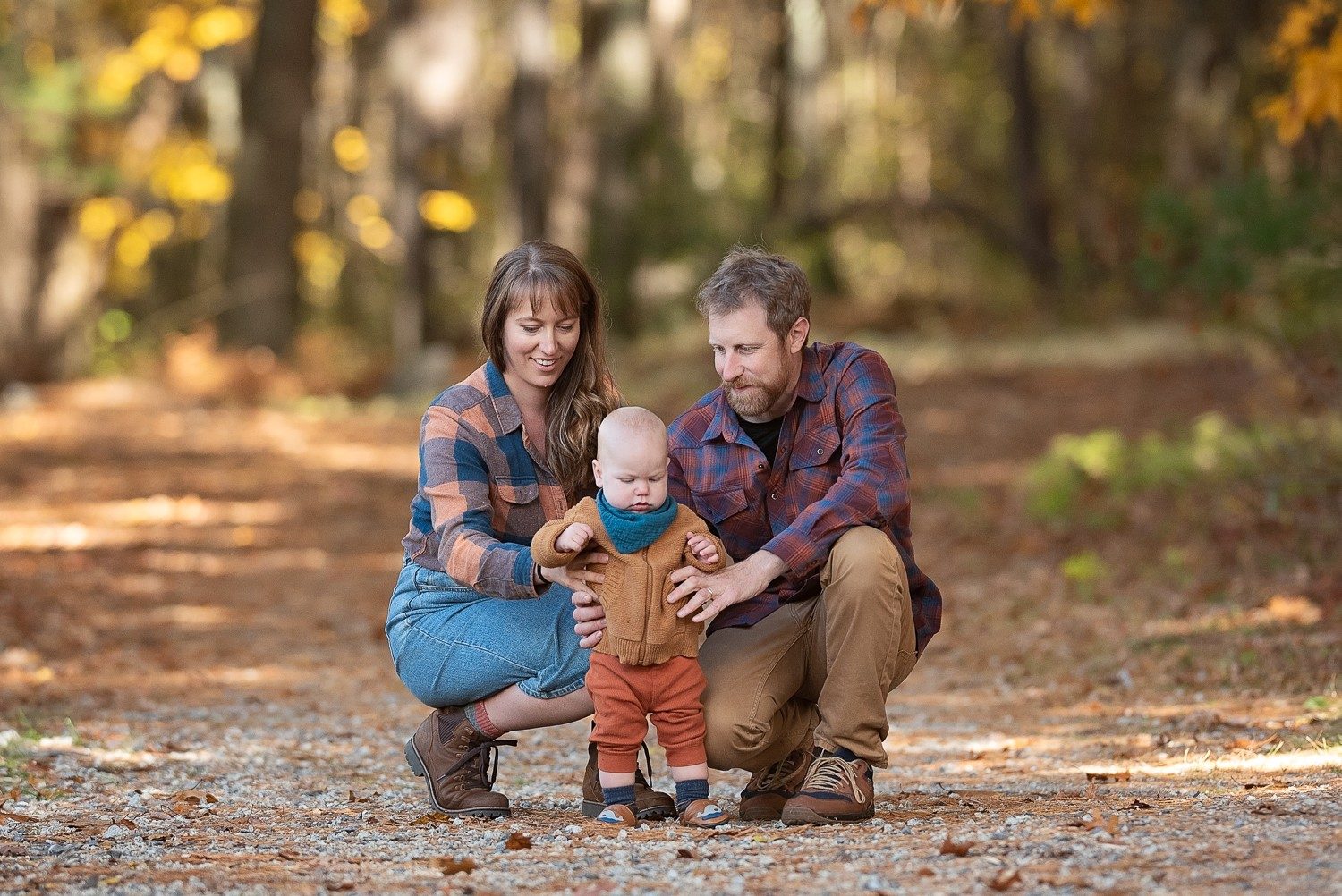
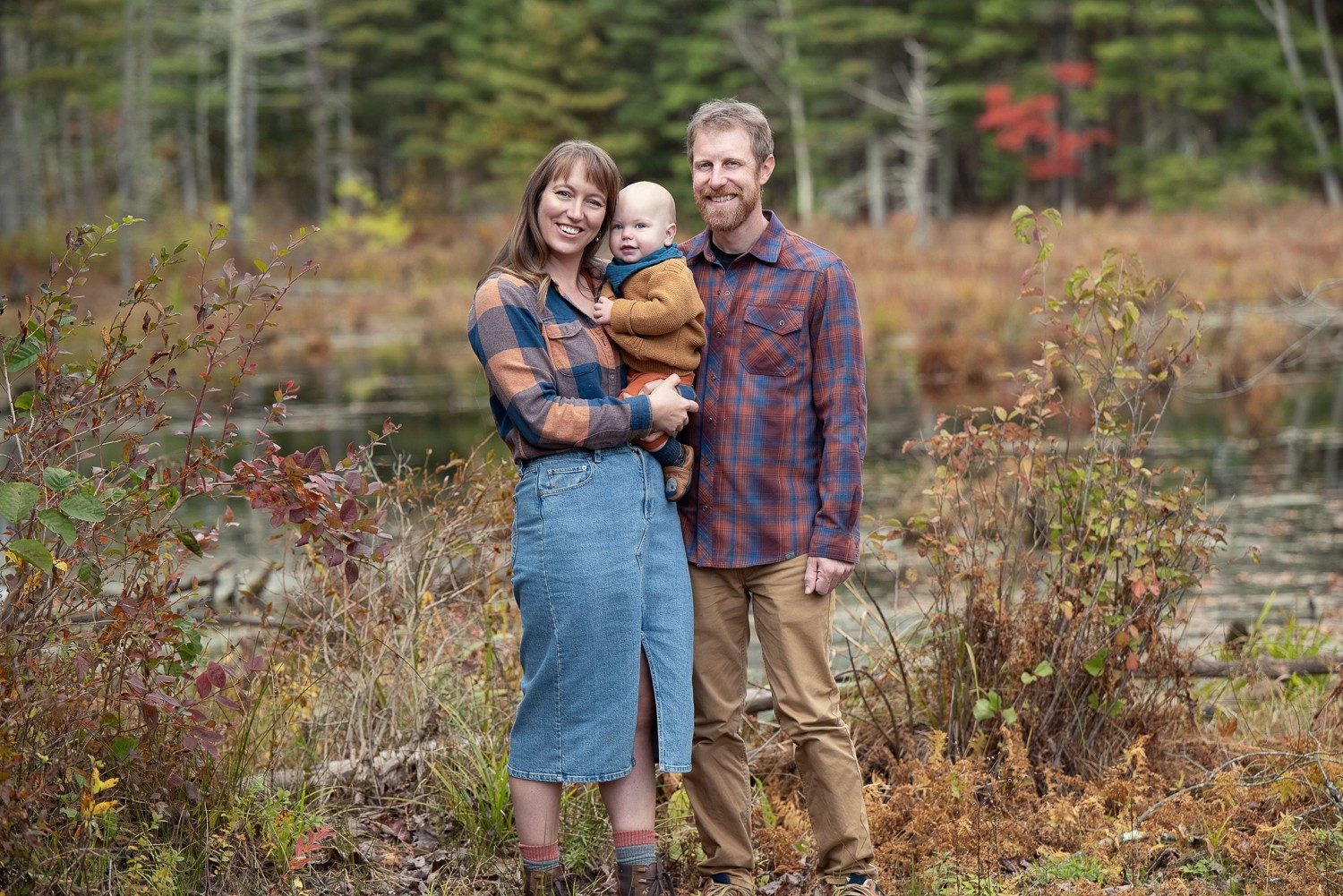
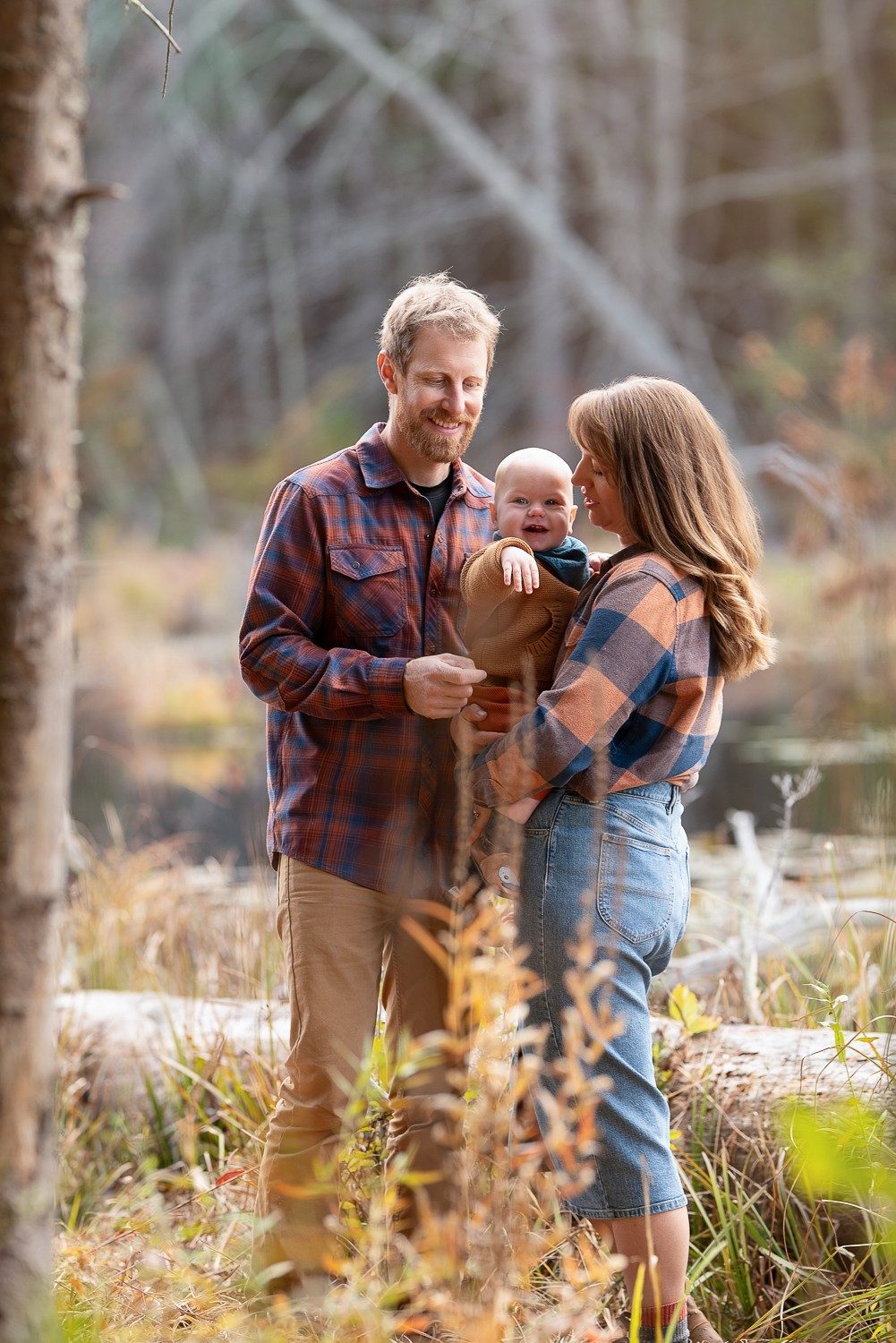
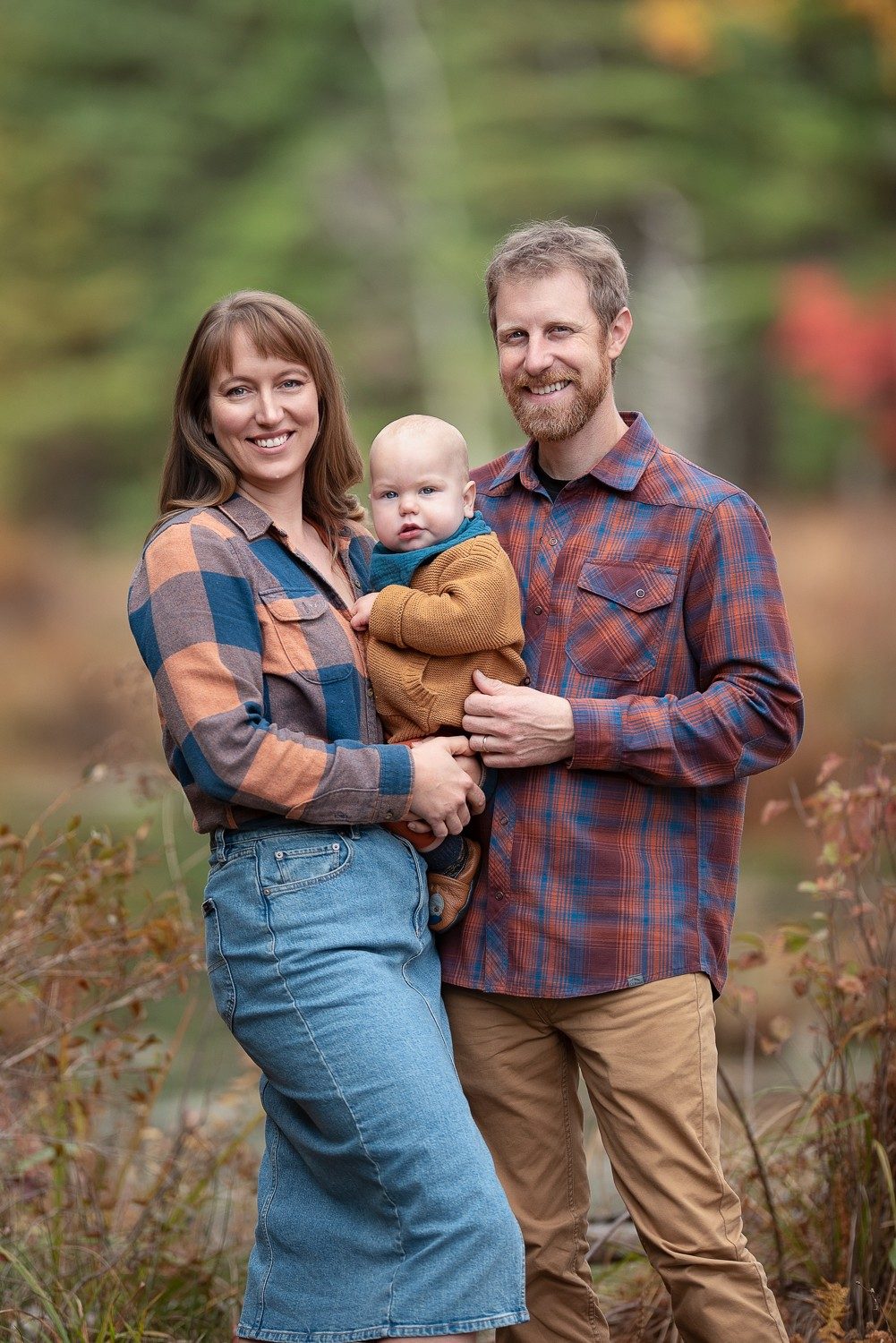
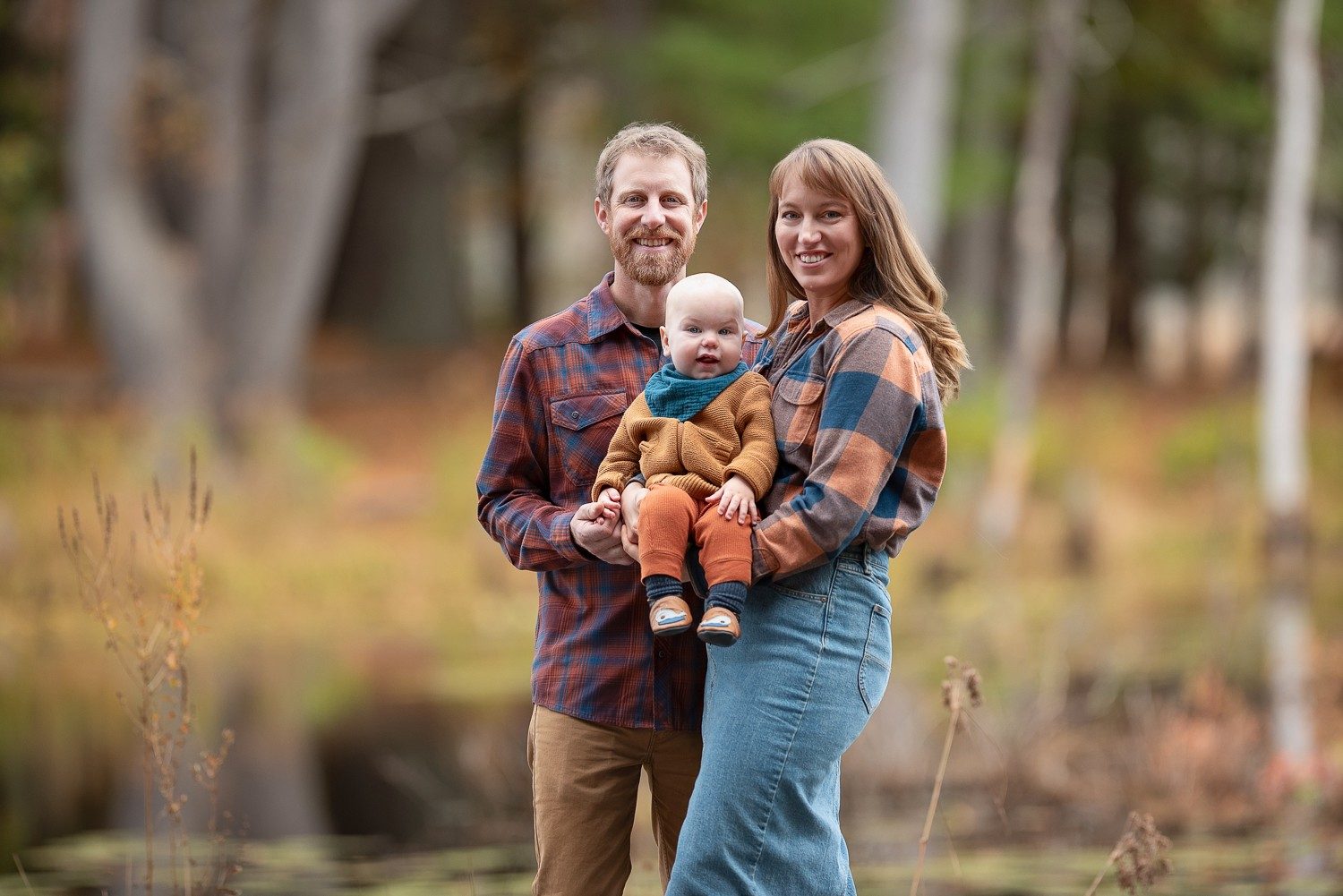
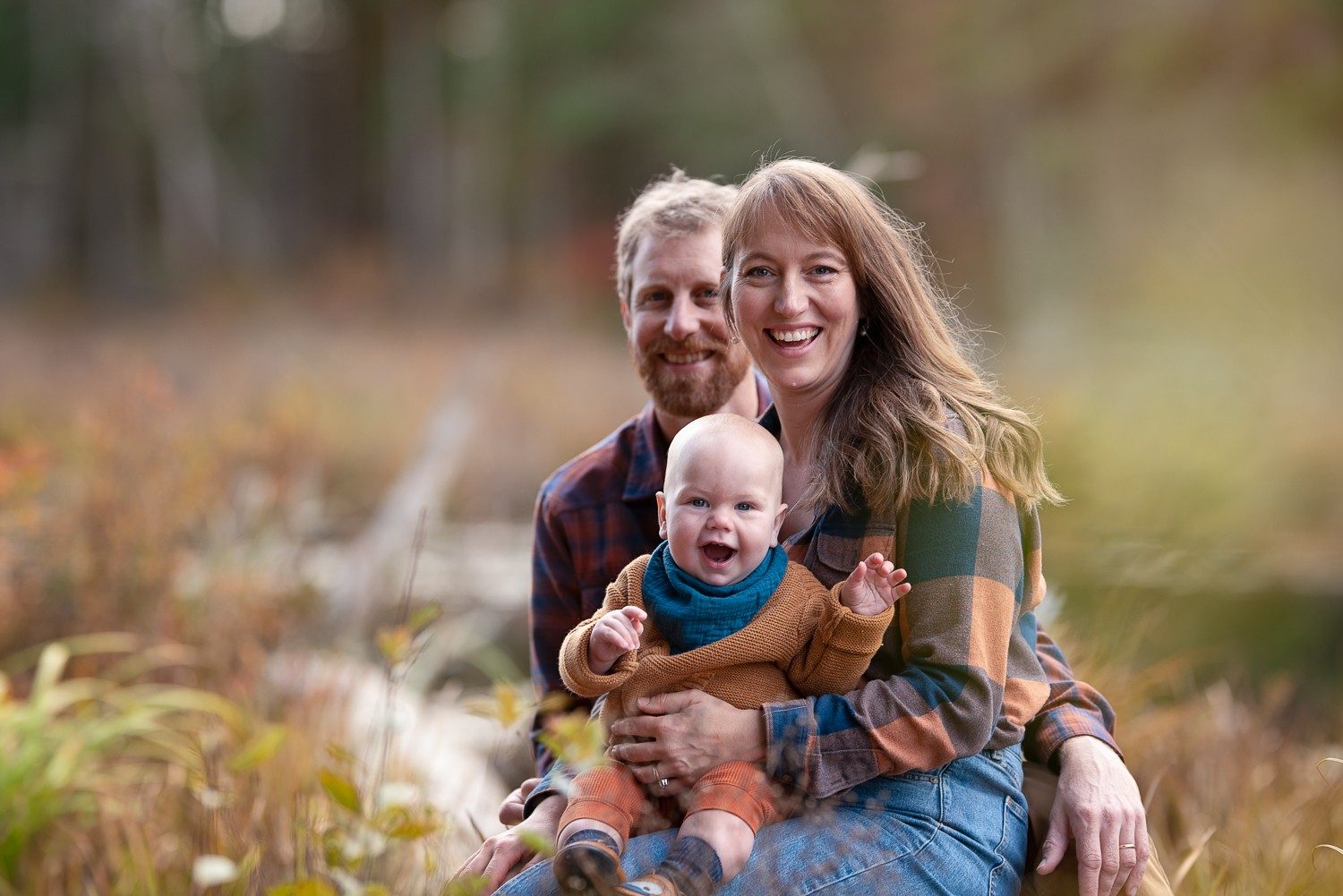
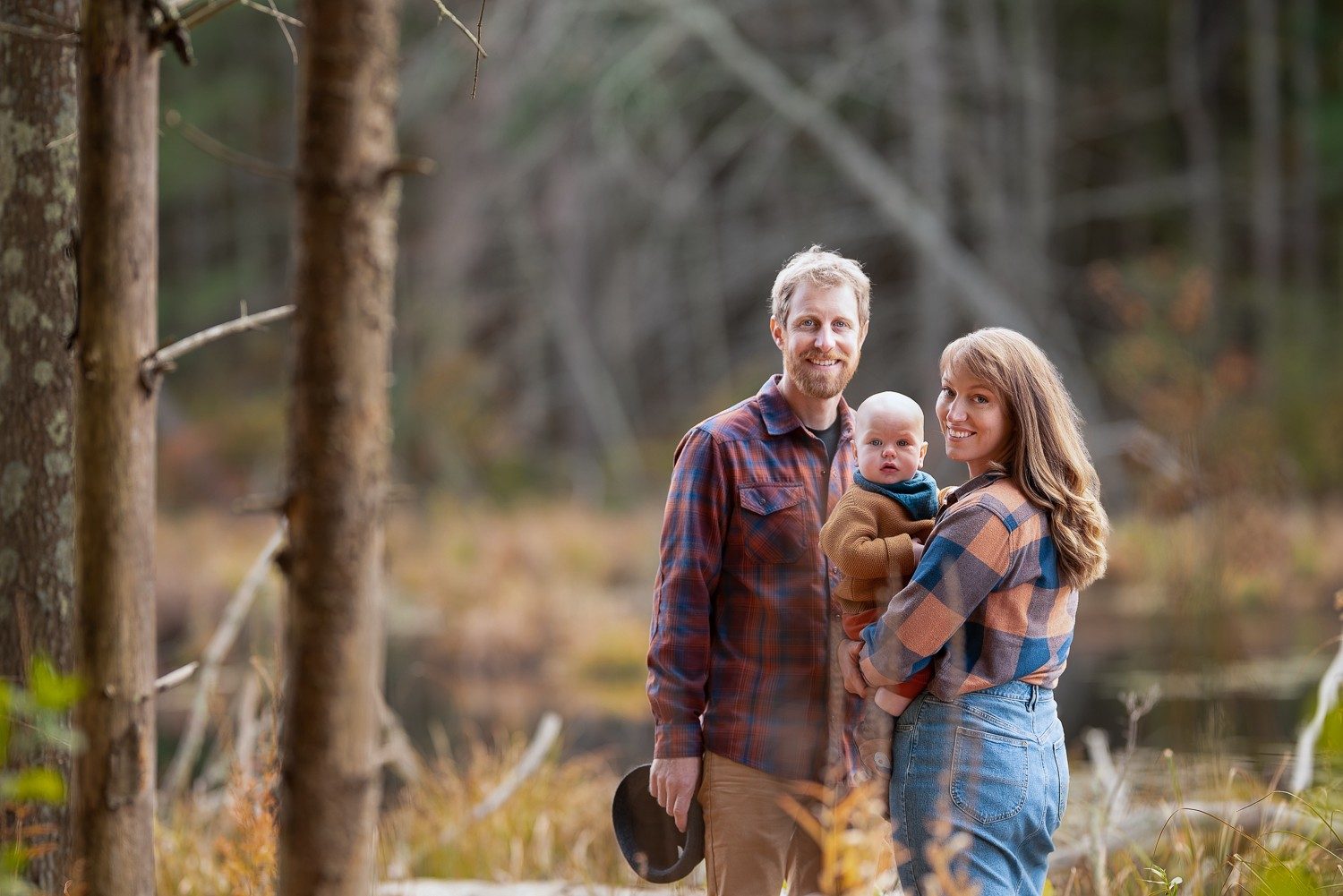
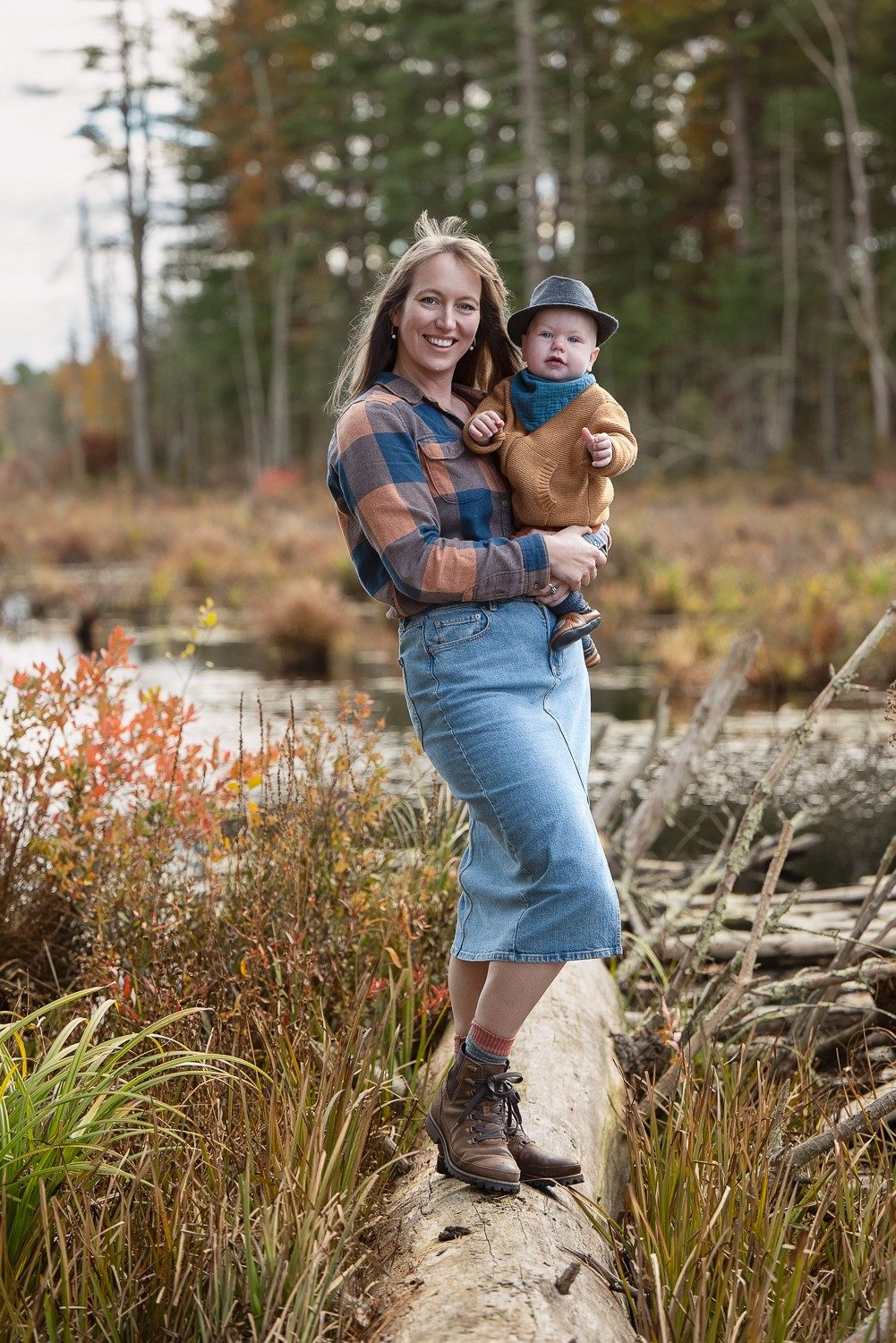
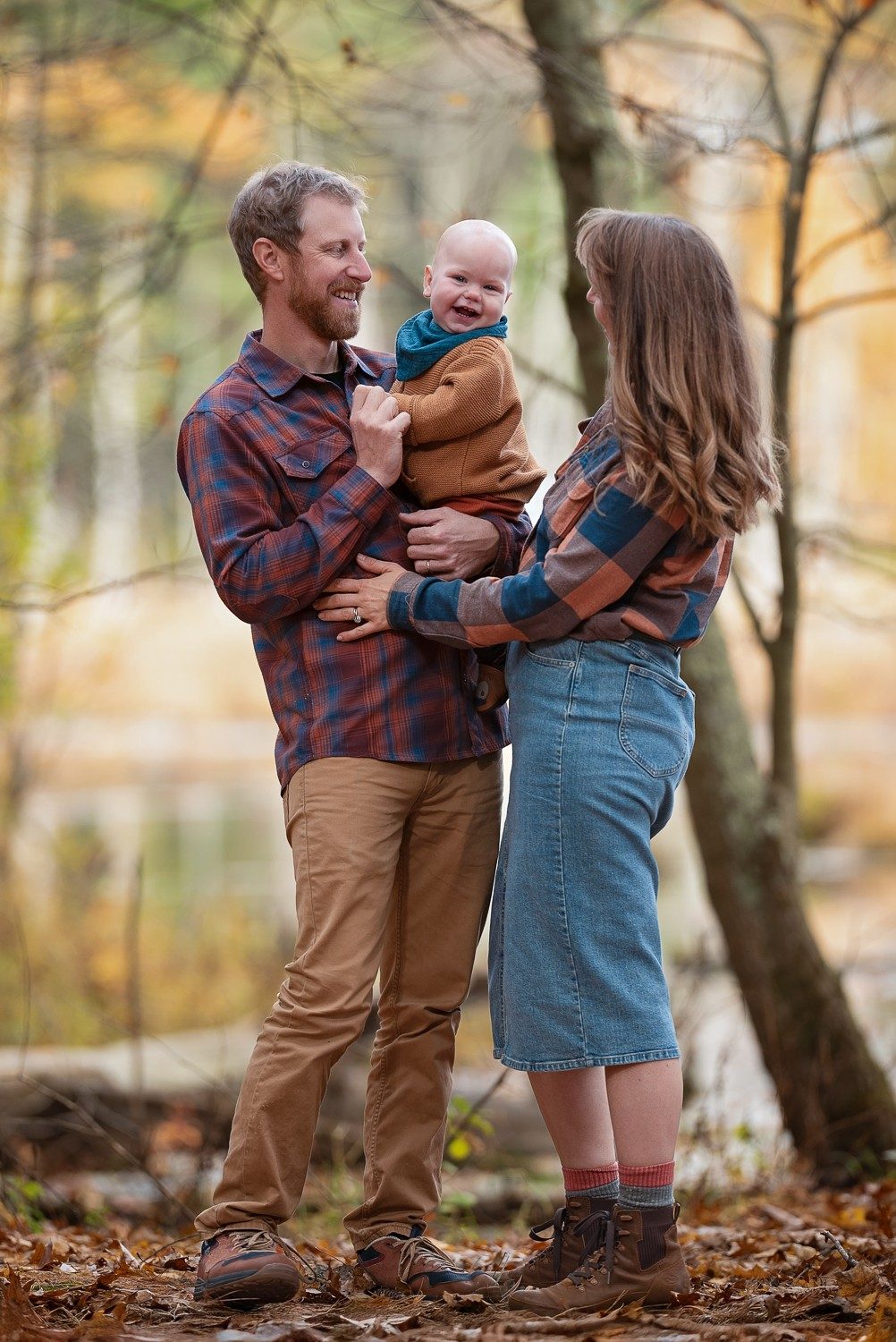
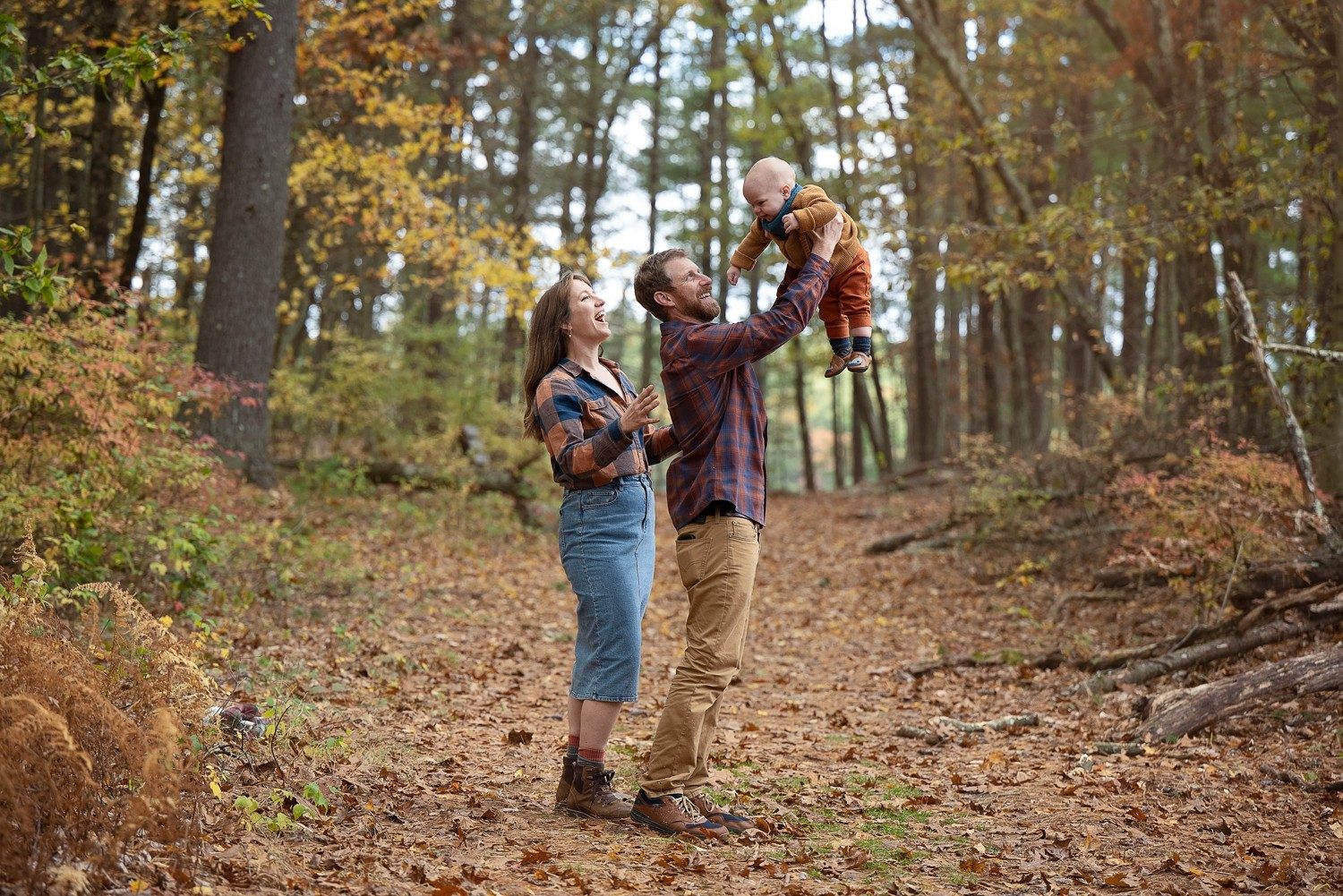
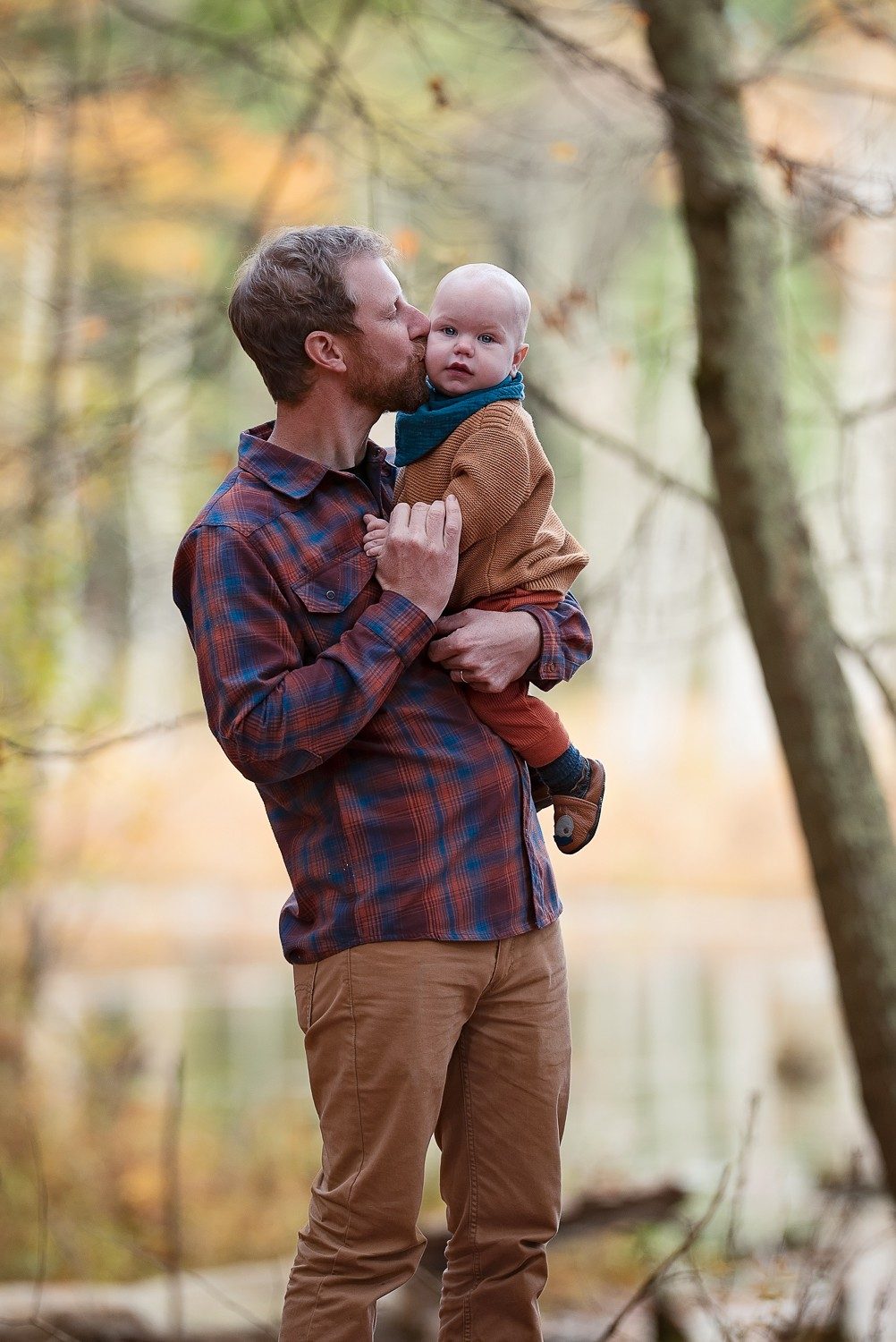
Every frame below is the same family on the same afternoon at the refuge, in the order the light went. This is a new location for me and there is one session on this page — but it is a whole session, start to finish, which tells you more about what an hour here actually looks like than a mixed sample would.
The three of them
The gravel ways · the leaf floor · the old fields · October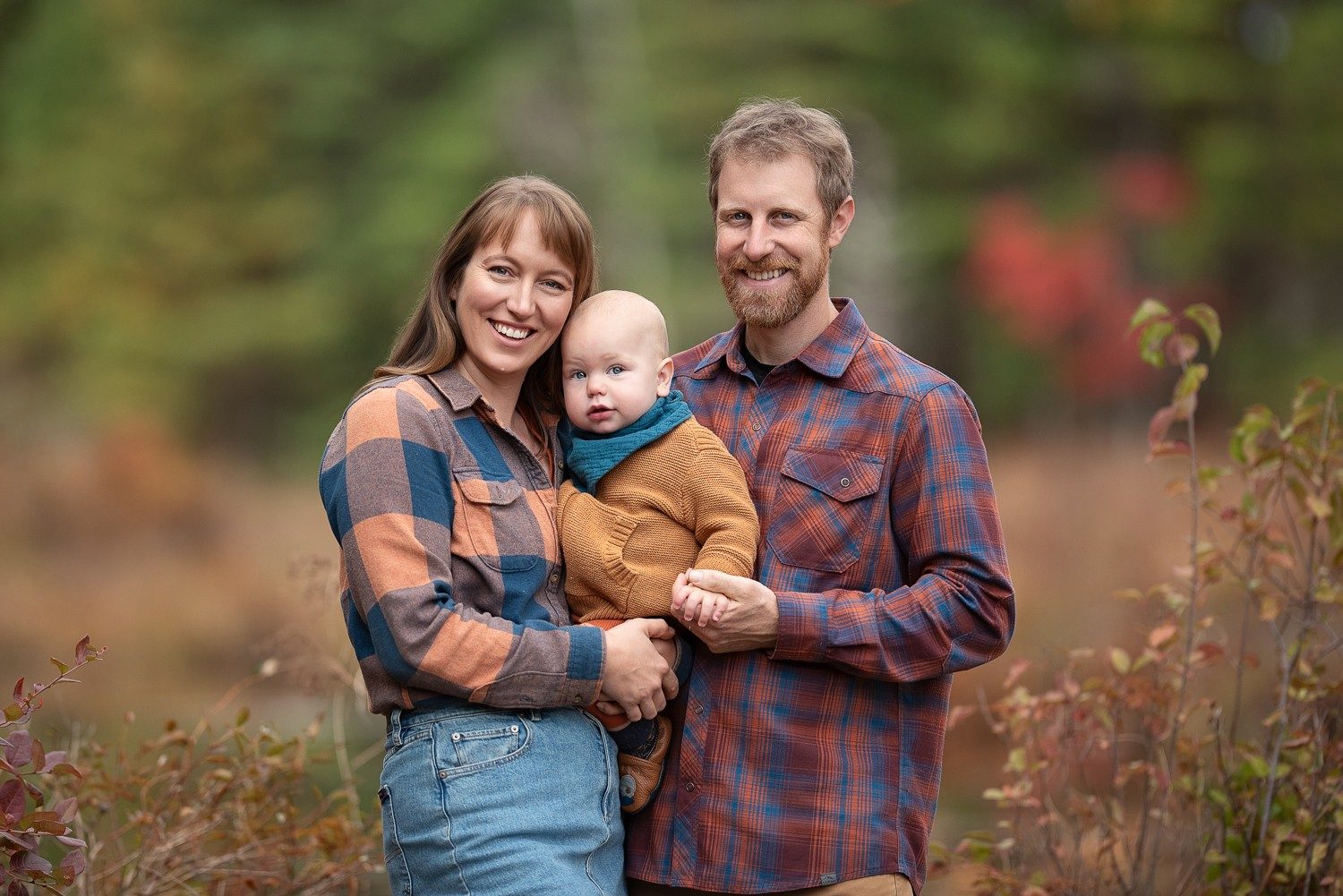
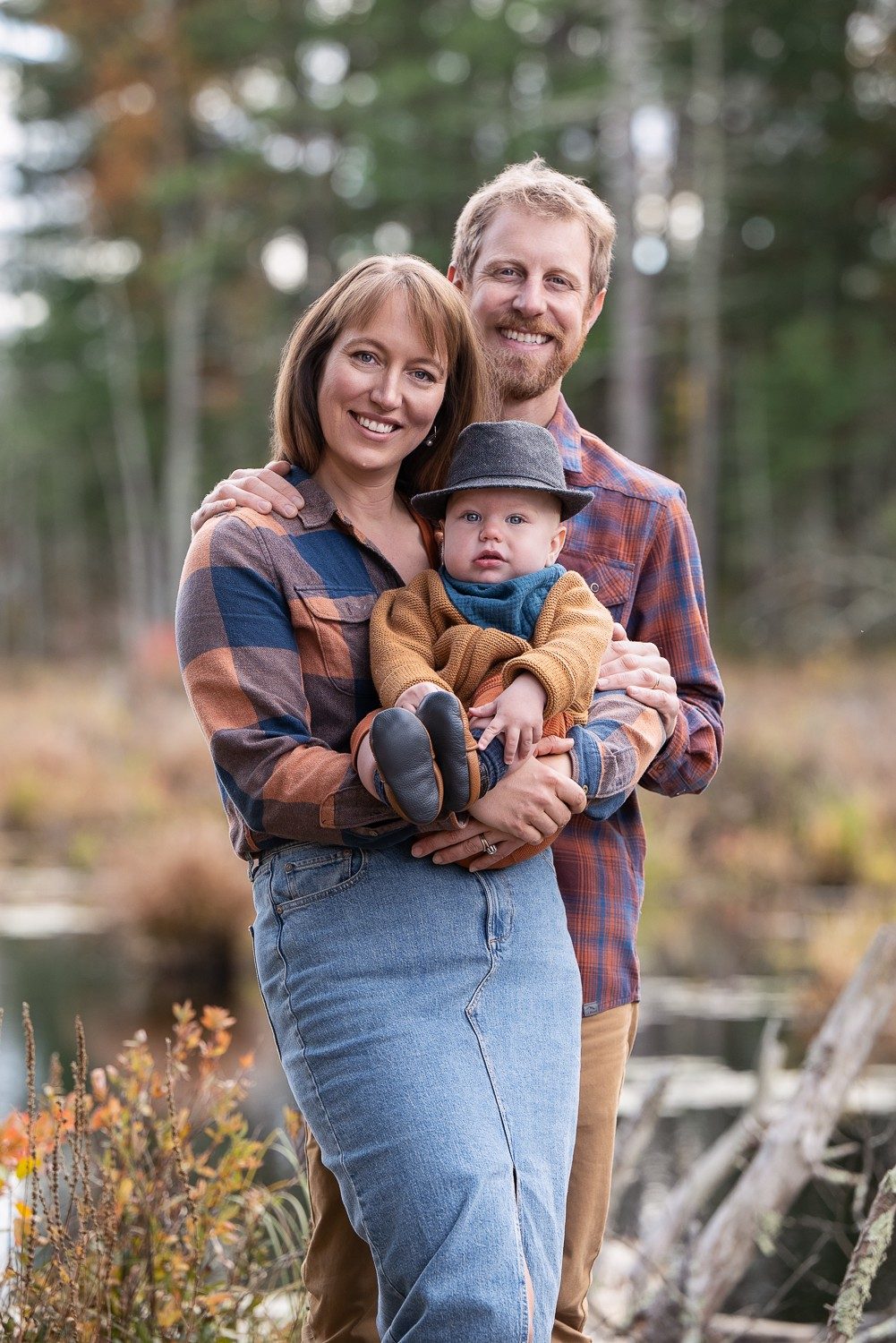
Just him
Two frames, no parents in them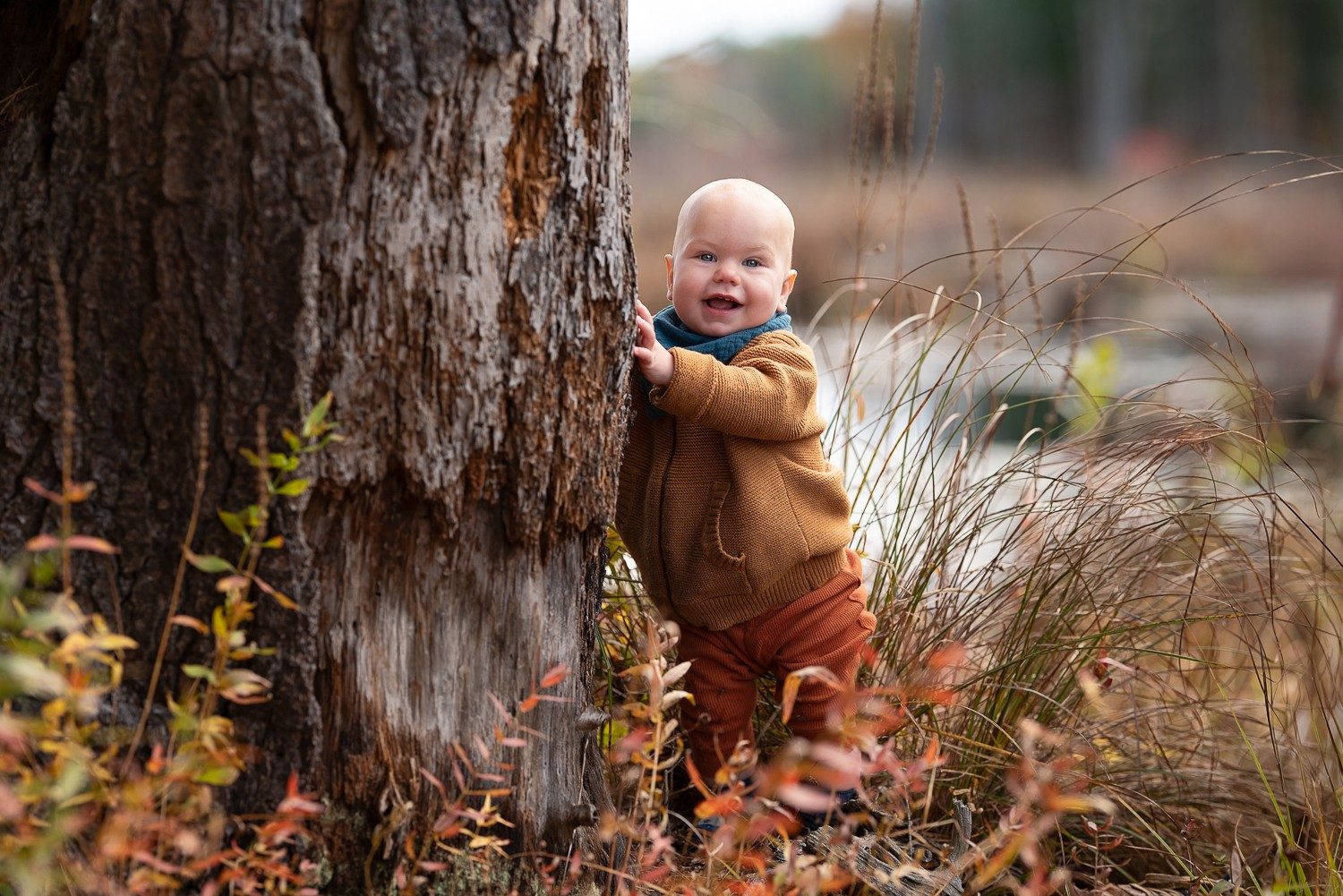
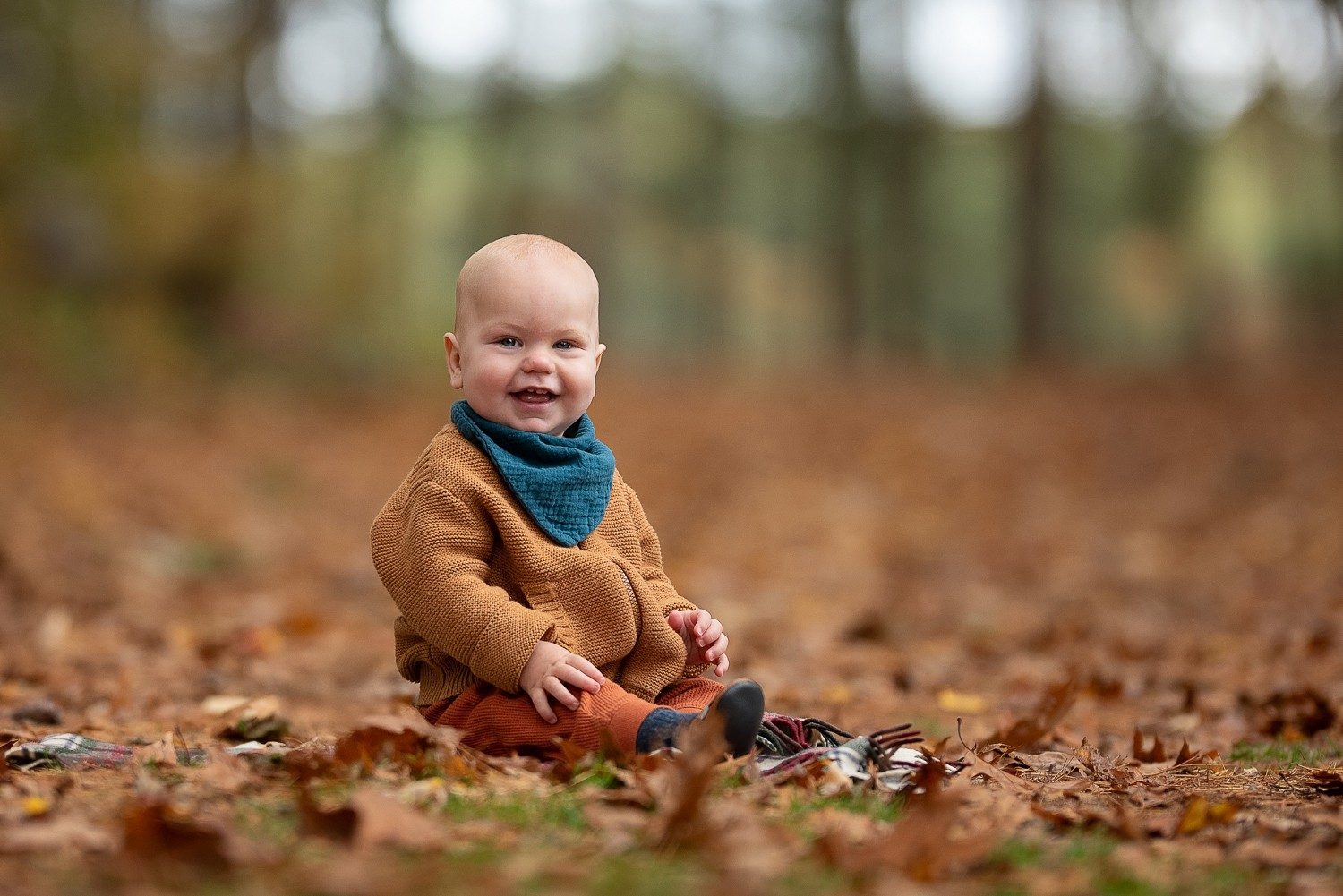
All nineteen frames on this page were made at Assabet River National Wildlife Refuge and are shared with permission. One session, one afternoon — and the first of what I expect will be many here.
A little history
An ammunition depot that nobody took down.
The land was hunted and fished by the Nipmuc, then farmed by colonists, then crossed by railroad. In 1942 the United States Army bought it from the landowners and made it the Fort Devens Sudbury Training Annex — a place to store ammunition and train troops. Fifty concrete bunkers went into the ground, officially called igloos, each one eighty-one feet long inside.
They are still there. On September 28, 2000 the Army transferred 2,230 acres to the U.S. Fish and Wildlife Service and it became a national wildlife refuge, and the woods grew back over the roads and the magazines together. Seventy percent of it is forest now and four hundred and seventy-six acres are wetland. The rare Blanding’s turtle lives here and is monitored. It is a genuinely strange and beautiful place to spend an hour, and almost nobody outside these four towns knows it exists.
- Hudson · Maynard · Stow · Sudbury
- 2,230 acres · 15 miles of trail
- Established September 2000
- Twenty miles from Boston
Planning your session
Six things worth knowing before the day.
The permit rule changed in January 2025
This is a National Wildlife Refuge, and photographing on one used to mean a Special Use Permit. The EXPLORE Act was signed into law on January 4, 2025 and waived permits and fees for groups of eight or fewer across the National Wildlife Refuge System, provided the session happens where the public is allowed, uses hand-carried equipment with no set or staging gear, does not require exclusive access, does not disturb natural or cultural resources, and stays out of the few spots that get very heavy visitation. Commercial or not no longer matters. Your session qualifies.
Eight is the number to watch
Above eight people a Special Use Permit applies again. So the extended-family session is the one booking here that needs a conversation first — tell me the headcount early and if we are over eight we either apply properly or move to Acton Arboretum, ten minutes away, where there is no such limit.
No dogs — and I mean none
Dogs are prohibited on the entire refuge to protect wildlife. Certified service animals are welcome on all trails and in all facilities. This is not a rule anyone bends, so if your dog is in the pictures we photograph somewhere else — Chelmsford and Great Brook Farm both welcome them.
Sunrise to sunset, and the gates mean it
The refuge is open year round from sunrise to sunset, and that is the whole of it — there is no evening grace period the way there is at a town park. A late-October session ends around half past five, which suits the light anyway. I plan the finish time against the actual sunset, not a rough hour.
This is the easiest walking on my list
Level packed gravel, no hill, no soft ground and no long approach from the parking. If you are carrying a newborn, pushing a stroller, still recovering from a birth, or bringing a grandparent who cannot manage a field or a beach, this is the location I recommend before any other. There is an outdoor restroom building at the Main Gate.
It is a refuge before it is a backdrop
No drones anywhere on Fish and Wildlife Service land, no picking or disturbing plants, no fires, no picnicking and nothing carried out to stage a shot. We stay on the trails and ways. None of that costs you anything in the pictures — the family on this page never left a gravel road or a leaf pile — but it is worth knowing that the rules here are stricter than a town park’s and they exist for a reason.
Questions about Assabet River
Before you book.
Do you need a permit for photos at Assabet River National Wildlife Refuge?
Not any more, for a normal session. The EXPLORE Act became law on January 4, 2025 and waives U.S. Fish and Wildlife Service permits and fees for filming and still photography by groups of eight or fewer people across the National Wildlife Refuge System. The conditions are that it takes place where the public is allowed, uses only hand-carried equipment with no set or staging equipment, does not require exclusive access to a site, does not disturb or negatively affect natural or cultural resources, avoids the localized spots that receive very heavy visitation, and complies with refuge policy and federal law. Under the new law it makes no difference whether the photography is commercial. Above eight people, a Special Use Permit applies again.
Can we bring our dog?
No. Dogs are prohibited across the entire refuge in order to protect wildlife. Certified service animals individually trained to perform tasks for a person with a disability are permitted on all trails and facilities, under the owner’s direct control, with all waste removed. If your dog belongs in the pictures, Chelmsford and Great Brook Farm are the two nearest locations that welcome them.
What does it cost to visit?
The refuge publishes no entrance fee and parking at the gates is free. Your only cost is the session itself. The visitor center on Winterberry Way is open weekends, 10am to 4pm, with an outdoor restroom building available to visitors — but a portrait session never needs to go inside.
Is it accessible for strollers, grandparents or a wheelchair?
The best on my list. The refuge is built around the wide, level, packed-gravel roads the Army laid down — Winterberry Way, Taylor Way, Harry’s Way, Patrol Road and White Pond Road — so there is no hill, no soft ground and no long approach from the parking anywhere in a session. If someone in your group cannot manage a field or a beach, this is where I would take you first.
When is the best time of year for photos at the refuge?
Late October, once the oak leaf is down and lying deep. The pines hold their color through it, the old fields go tawny, and a child can sit in the leaf litter and disappear to the waist — which is most of the reason to come here. Late spring is lovely too, greener and quieter. High summer is the weakest window: the canopy closes, the light gets flat and the mosquitoes near the wetland are real.
Where exactly do you photograph in the refuge?
Four kinds of ground, all reachable from the Main Gate at 680 Hudson Road in Sudbury: the gravel ways under their canopy, the leaf floor beneath the tall pines, the old fields left from the farms that preceded the Army, and the wetland edges around Puffer Pond. There are two other entrances if you are coming from a different direction — White Pond Road in Stow and Old Marlborough Road in Maynard.
Are the old ammunition bunkers really still there?
Yes. Fifty concrete magazines, officially called igloos, each one eighty-one feet long, twenty-six wide and twelve high inside, built after the Army bought the land in 1942 for the Fort Devens Sudbury Training Annex. The refuge grew up over and around them. They are a strange thing to come across in the woods, and they are part of why this place does not look like anywhere else within half an hour of Chelmsford.
What is the investment for a session at the refuge?
Portrait commissions begin at $1,450. Most families invest between $1,500 and $4,000 depending on the artwork selected. Every commission results in finished wall art or an album — digital-file-only packages are not offered. Request the full experience guide for pricing detail.
How far is Assabet River National Wildlife Refuge from Chelmsford?
About twenty-five minutes to the Main Gate in Sudbury. It sits in the middle of Hudson, Maynard, Stow and Sudbury, roughly twenty miles outside Boston, and it is a short run for families in Chelmsford, Westford, Acton, Concord, Littleton and Carlisle.
Other session locations
The refuge is one of several.
Acton Arboretum
Ten minutes north, and the answer when the group is over eight or the dog is coming. Boardwalks, a red bridge and sixty-five acres of planted garden.
Concord, MAThe Old North Bridge
Fifteen minutes east. The bridge, the river and six acres of formal garden above it — history you can see rather than history buried in the woods.
Carlisle, MAGreat Brook Farm
Open hayfields instead of closed canopy, a working dairy, and dogs are welcome. The obvious alternative if you want sky rather than trees.
Limited sessions each season
Deep woods, level ground, and no permit to pull.
Late October is the week to want here, and it is the same week everyone wants everywhere — so this one books early. Serving families across Sudbury, Hudson, Stow, Maynard, Acton, Concord, Chelmsford, Westford, Littleton and Carlisle, Massachusetts.